Our Blog

Five Clues That It’s Time to Replace Your Toothbrush

January 13th, 2021

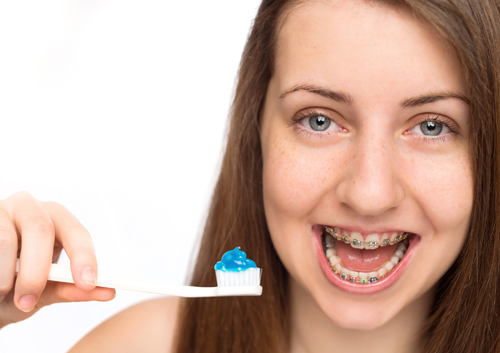
Your dashboard lights up when your car needs an oil change. Your family smoke detector beeps when you need to switch out the batteries. But when it’s time to replace your toothbrush, you’re on your own. Luckily, there are several not-too-subtle clues that you should be shopping for a new model.

  • Fraying

Is your toothbrush looking a bit scruffy? Do those once orderly bristles look like they have the toothbrush equivalent of bed head? Have some bristles vanished altogether? Time to retire that toothbrush. Once the bristles are frayed, you just can’t reach plaque as effectively, especially where it likes to hide between the teeth.

Are you prematurely fraying? You could be brushing too hard. Overbrushing can injure delicate gum tissue, cause wear and tear to tooth enamel, and even damage your braces. If you find your brush fraying after only a few weeks of use, you might be using too much force. Remember, plaque is a sticky film, but it’s a soft sticky film. Ask us for advice on just how hard you need—or don’t need—to brush.

  • Odor

This one really goes without saying—no one wants an aromatic toothbrush! How to make sure your toothbrush is fresh and clean?

Always rinse carefully after you brush. This will get rid of any toothpaste, bits of food, or other particles left on your brush.

Let your toothbrush air dry. It might seem more hygienic to keep your brush covered in a bathroom setting, but a closed, moist container is a perfect breeding ground for germs. Don’t let them make a home in your bristles!

  • Illness

A cold or a bacterial infection (like strep throat) is no fun. But now that you’re feeling better, it might be time to throw out your toothbrush. The chances of re-infection are very low, unless your immune system is compromised, but this is a perfect opportunity to replace your brush with a fresh, germ-free model.

And if you share your toothbrush, or if you store it right next to a family member’s (which you really shouldn’t do, for this very reason), germs get shared, too. Quarantine your brush while you’re ill, and replace it once you’re out and about.

  • Discomfort

Bigger isn’t necessarily better. A brush with a head that’s too big won’t allow you to get into those small spaces in your mouth where plaque likes to collect. And when you are trying to clean around brackets and wires, a regular brush might be a problem. Ask Dr. Pope for suggestions for the best tools for clean and comfortable brushing.

Also, harder doesn’t mean more effective. A brush with hard bristles can cause damage to your gums and enamel. We almost always recommend soft-bristled brushes for this every reason.

There are so many styles of brush out there, you’re bound to find the perfect fit with a little trial and error. Or ask us for suggestions the next time you’re at our Flossmoor and New Lenox, IL office for an adjustment!

  • You’ve Passed the “Best By” Date

Because of its durable construction, your toothbrush can last a long, long time. But no matter how comfortable and effective your toothbrush is right now, it was never meant to go through life with you. Bristles break down over a period of a few months, and just don’t clean as effectively. Your brush should be changed every three months, and this includes changing the head on your electric toothbrush. And because you wear braces, you’re brushing more often, so that three month lifespan might be stretching it.

Unfortunately, you don’t have a flashing light or annoying beep to remind you when it’s time to change brushes, so you’ll have to devise your own reminders. Reminder apps, calendar notes, the first day of a new season—use whatever works best for you. 

Don’t ignore the clues your toothbrush is leaving you. Replacing your brush whenever it’s necessary helps guarantee that the time you spend cleaning your teeth and gums will lead to confident, healthy smiles. Case closed!

Let It Snow!

January 6th, 2021

The weather out there might be frightful for most of us, but not for you! You’ve been waiting all year for a fresh coat of powder and all the outdoor sporting activities winter brings. But before you grab those ski poles, strap into that snowboard, lace up those skates, or dust off that sled, be sure to remember one more essential piece of gear—your mouthguard!

Mouthguards aren’t just for contact sports. While all that lovely new snow looks like powder, it doesn’t feel like it when you land hard. If there’s a chance of a fall or an impact in any sport, there’s a chance you can suffer dental injuries.

Falls or collisions can result in chipped, broken, or dislodged teeth. Your mouthguard will help protect your smile from these accidents, and also works to protect you from biting your tongue and mouth in case of impact. It can even reduce the chance of jaw injuries.

Luckily, finding a mouthguard that works for you is even easier than finding the perfect board or the best wax for your skis. You have several options to choose from:

  • Ready-made appliances. These are available in drugstores and sporting goods stores, but come in pre-formed sizes, so they might not provide the best fit.
  • The “boil-and-bite” model. This mouthguard form is placed in hot water. You then bite down while it is pliable to shape it to your mouth and teeth.
  • Custom mouthguards. These guards can be fabricated just for you. They are molded to fit your individual mouth and teeth, so provide a better fit and better protection. They are also usually more durable and more comfortable. If you wear braces, a custom mouthguard can be your best option for preventing an injury to your mouth and your braces. Talk to Dr. Pope if you are interested in a guard fitted specifically for you.

When you visit our Flossmoor and New Lenox, IL office, let’s discuss all the best ways to keep your teeth and mouth protected before you set out for winter sports. And then when you’re ready to go? Let it snow!

The Best Brush of the Day

December 23rd, 2020

Imagine that you’re only going to brush your teeth once tomorrow. Don’t worry, we know you would never skimp on your dental hygiene like that, but let’s just pretend for a moment. When would be the best time to brush? When you wake up? During the day? Or perhaps before you go to bed?

Actually, whenever you choose to brush, you’ll receive important overall dental benefits as well as specific benefits tied to the time of day. Let’s explore your daily schedule to see why.

Brushing in the Morning

Brushing when you first jump out of bed produces several positive results.

  • Cleaning plaque from your teeth

Plaque is a sticky film made up of oral bacteria, food particles, and saliva. As you sleep, these oral bacteria multiply and produce acids which attack the minerals in your enamel, leaving weak spots which, over time, can become cavities. Brushing removes these bacteria and acids from your enamel before they cause serious harm.

Moreover, plaque hardens if it’s left undisturbed, turning into tartar in a relatively short time. And once plaque becomes tartar, it must be removed by a dental professional. Brushing first thing in the morning removes this plaque buildup and helps prevent tartar from forming.

  • Fresh breath

That bacterial growth we mentioned? It’s also responsible for morning breath. If nothing else, brushing when you wake up means greeting a fresh day with fresh breath, and that’s reason enough to pick up your brush in the morning.

Brushing During the Day

Brushing after meals and snacks also has a lot to recommend it.

  • “Leftovers” lead to cavities

Foods, especially foods rich in sugar and carbohydrates, are converted by oral bacteria into acids which weaken enamel and lead to cavities. When food particles remain in the mouth after a meal, bacteria have more time and more fuel to manufacture these acids.

  • Acidic foods also affect your teeth

If you have eaten something acidic, such as citrus fruits, sodas, or pickled anything, the acids from these foods can temporarily weaken the mineral strength of your enamel. But brushing immediately after eating or drinking acidic foods can damage weakened enamel. Better to rinse well with water and brush after half an hour or so.

  • When you wear braces

One of the first things you discover when you get your braces is that you might need to brush more often. In fact, it’s best to brush after every meal and even every snack while you’re in braces.

Why? First, because no one wants to smile with food particles sticking to brackets and wires. Even more important, though, the filmy plaque which sticks to your enamel can be harder to remove with those brackets and wires in the way. Since plaque causes weakened enamel and cavities, brushing thoroughly is more important than ever when you wear braces.

  • When you wear aligners

Wearing clear aligners means you don’t need to worry about food trapped in brackets or cleaning around wires. After all, you take them out when you eat. But this doesn’t mean you are home free. Brushing after every meal is also a good idea when you wear aligners.

Our teeth have an organic way to help wash away food particles, acids, and bacteria between brushings—saliva! Your aligners, while covering your teeth, decrease their exposure to saliva. It’s really important, then, to make sure you brush after eating. Otherwise, food particles and acids which remain on your teeth after eating are trapped in your aligners, increasing the risk of enamel erosion and decay.

Whether you wear braces or aligners, you’re especially at risk for food particles sticking around your teeth and in your orthodontic appliances. Talk to Dr. Pope about when to brush your teeth after eating and how to keep your braces or aligners clean throughout the day.

Brushing at Night

Growing up, you probably received regular reminders to brush before bedtime—for several really good reasons:

  • Saliva production slows while you sleep

During the day, saliva helps to wash away food particles and neutralize acidity in our mouths. It also contains proteins and minerals which help keep tooth enamel strong. But as we sleep, saliva production slows dramatically, and our bodies can’t remove bacteria and acids as effectively.

  • Food particles fuel bacterial growth

If you haven’t brushed since morning, you’ve accumulated a whole day’s worth of food particles from meals and snacks. Remember, oral bacteria use the sugars and carbs we eat as fuel to produce the acids which attack our tooth enamel throughout the night.

  • Brushing helps prevent both of these problems

Brushing your teeth before bed not only cleans away the accumulated food particles of the day, but also eliminates the plaque and bacteria which would have a much easier time sticking to your teeth without that daytime saliva flow to wash them away.

So, When’s the Best Time to Brush?

In the morning, during the day, at night—there are solid advantages to brushing any time of day. The question isn’t so much when to brush as how often you should brush.

While many dental professionals consider brushing before bedtime as the most important brush of the day, brushing at least two full minutes, at least twice during a 24 hour period, is a necessity for basic dental hygiene, along with flossing at least once a day.

When you’ve been eating sugary snacks, when you’re showing signs of gingivitis or getting more than your share of cavities, when you want to reduce the chance of plaque and tartar buildup, or when you simply want to make sure you’re doing everything you can to maintain your overall dental health, brushing after meals is also highly recommended.

And when you wear braces or aligners, frequent brushing (and flossing) is the very best way to make sure your teeth stay clean and cavity-free.

Talk to Dr. Pope about your brushing habits at your next appointment at our Flossmoor and New Lenox, IL office. No need to use your imagination to plan your best brushing schedule. We have all the answers you need to help you brush your way to your best—and healthiest—smile!

Great Gifts for Grandparents

December 16th, 2020

Our grandmothers and grandfathers, our moms and dads—we’ve known them our whole lives. So, why are they so hard to shop for?

If your older family members have all the sweaters, socks, and scents they need, consider a gift that can make life a bit easier and perhaps a lot healthier—an electric toothbrush!

  • Easy Efficiency

The most important reason to choose an electric toothbrush is its effectiveness. Several studies have shown that regular use of an electric toothbrush leads to a marked reduction in plaque, that bacteria-filled film which sticks to the teeth and leads to cavities and gingivitis. And it’s really no surprise that an electric brush can out-perform a manual brush.

Using a manual brush is not just a matter of applying toothpaste and scrubbing. Proper technique means short brush strokes at a 45-degree angle for the outer and inner surfaces of the tooth, thoroughly cleaning the uneven chewing surfaces of the molars, and brushing the inside of the front teeth with gentle vertical strokes. Meticulous cleaning of all these surfaces can be difficult, especially for people with dexterity issues.

Electric toothbrushes offer several options, from oscillating/rotating brushes to oscillating/rotating/pulsating models to brushes using sonic vibration technology. What they all have in common is the ability to remove plaque far more effectively than we can on our own, because they provide the equivalent of thousands and even tens of thousands of brushstrokes per minute, as opposed to the hundreds we can achieve by hand.

  • Comfortable Control

An electric toothbrush can be not only more efficient, but also more comfortable for older brushers. For those with arthritis, limited mobility, injuries, or other health conditions, the larger handles can be easier to control and much more grip-friendly. And, with the work being done by the brush head, users avoid repetitive hand and wrist motion.

Also, the pressure applied to teeth and gums with an electric brush is designed to clean thoroughly while protecting the mouth. Heavy-handed manual brushing can irritate delicate gum tissue and even damage enamel over time. With an electric brush, users only need to guide it along teeth and gums as it supplies all the power needed. There are even pressure sensors available to warn users that their brushing is too vigorous.

  • Apps, Anyone?

If your grandfather likes to keep things old school, a basic model with a convenient two-minute timer and several cleaning modes will offer all the bells and whistles he needs. But if your nana has more Instagram followers than you do, consider a more tech-savvy option.

Several of today’s electric brushes come with features designed to make brushing even more effective. They can let her know if she’s brushing long enough, alert her if she’s brushing too hard, and remind her that it’s time to replace the brush head. Some models link to handy apps that will map out just where she’s brushed, in case there are a few spots that get overlooked. Or choose a model which comes with a travel case that can recharge while she’s busy seeing the world.

Okay, all that being said, we’ll admit it—a toothbrush might not be the most glamorous gift your grandparent unwraps on that special day. But helping a favorite family member brush more effectively and comfortably while improving dental health? That’s a gift that keeps on giving!