On the last Wednesday in September, we celebrate “Women’s Health and Fitness Day.” Because your oral health plays such a large role in your general health and well-being, let’s look at a few of the ways you can treat yourself with the care you need and deserve at different stages of your life.
Puberty
Puberty begins around the ages of 8 to 13, and typically lasts from 2-5 years. During this time, our bodies begin to produce the hormones estrogen and progesterone, which affect not just the reproductive organs, but our brains, hearts, skin, hair, bones, and more. These hormones can also affect our oral health.
Hormonal fluctuations make gum tissue more sensitive to irritants like plaque and bacteria. You might find that your gums are swollen, tender, red, or bleed easily.
What you can do:
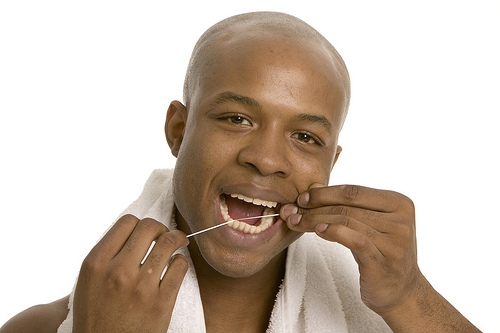
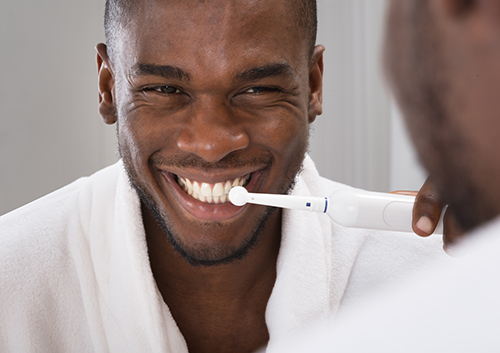
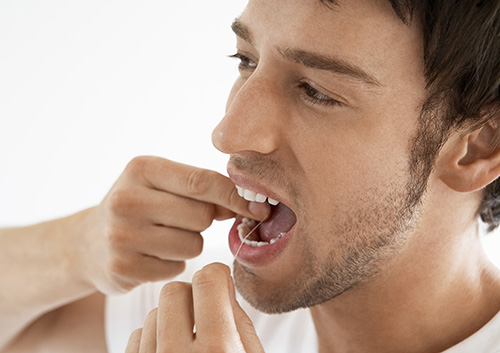
Keeping up with your dental hygiene is the best defense against gingivitis. Even if your gums feel a bit tender, it’s important to keep up with your brushing and flossing because proactive dental hygiene can reverse gingivitis before the condition becomes more serious. If symptoms persist, a visit to the dentist is in order.
Menstruation
Elevated hormone levels can also cause gingivitis during the menstrual cycle, usually beginning a few days before the start of your period and ending soon after your period begins. Some women also experience canker sores and swollen salivary glands during this window.
What you can do:
Be mindful of any oral changes during your menstrual cycle. Pay special attention to dental hygiene, and, if you develop canker sores, talk to your dentist or doctor about the best way to care for yourself while they heal.
Pregnancy
Pregnancy brings about many physical changes, including potential changes in your oral health.
Pregnancy hormones cause an increase in the blood supply to your gums while at the same time making them more vulnerable to irritation from bacteria and plaque. You may find that your gums are redder, more swollen, and more likely to bleed when brushing.
During pregnancy, increased hormone production helps relax and loosen ligaments and joints in preparation for birth. Teeth are held in place by ligaments, and you might be alarmed to discover your teeth are looser as well. Typically, this situation resolves when the baby is born.
Some pregnant women may also experience pregnancy granulomas. These dark red swellings are benign tumors which appear along the gumline. These generally shrink on their own, but, if a granuloma is causing you pain or discomfort, your dentist can remove it surgically.
What you can do:
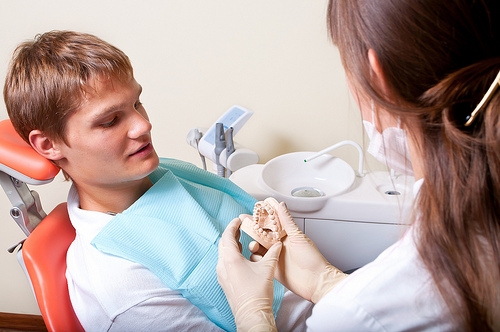
Let your dental team at Orthodontic Associates, LTD. know right away when you learn that you’re pregnant. You’ll get helpful advice about brushing and flossing techniques, pregnancy-related oral conditions to look out for, when to schedule dental treatment and cleanings, a tooth-healthy diet, and more.
Menopause and Later Years
As we age, there’s an increased risk of oral health issues.
Osteoporosis causes loss of density in the bones—including the bones and bone tissue which hold our teeth in place. Studies indicate that women with osteoporosis suffer significantly higher tooth loss than women who don’t have the disease.
Saliva helps protect the teeth from cavities by washing away bacteria and food particles and by neutralizing acids in the mouth. Reduced estrogen production, medications, and medical conditions such as diabetes can all cause dry mouth.
About 2/3 of older Americans have gum disease, which is one of the leading causes of tooth loss in adults. Lower hormone levels have been linked to increases in periodontal diseases.
Oral cancer is more common as we age, and, while men are affected almost three times as often as women, we should be aware of the common symptoms of oral cancer, including a sore in the mouth which doesn’t heal, a lump or thickening in the mouth, red or white patches on the tongue, gums, and other oral tissues, loose teeth, or persistent earaches or discomfort when eating or swallowing.
What you can do:
Visit your dentist and doctor for preventative care and whenever you are concerned about your oral health! Whether it’s helping you prevent osteoporosis and dry mouth or discovering dental and medical conditions early, when they are more likely to be treated successfully, regular visits to your dentist and doctor can help ensure that you have years of happy smiles ahead.
At Any Time of Life
Let’s talk a moment about something which isn’t limited to any one phase of your life—orthodontic treatment!
Straighter teeth and a healthier bite aren’t gender-related. Women and girls don’t have different orthodontic needs from men and boys. They don’t require different types of braces or appliances. But there is one difference in the sexes—women and girls choose orthodontic treatment more often. Good for us! And let’s encourage the men in our lives to do the same.
Why? Because orthodontic treatment does more than give you an attractive smile. You and Dr. Pope work to create an attractive, healthy smile. A well-aligned bite can lead to healthier teeth and gums, more comfortable jaw movement, and even improved facial symmetry. And, while it helps to begin treatment early, while the bones are still forming, as long as our teeth and gums are healthy, we adults can reap the benefits of a beautifully aligned smile as well.
What you can do:
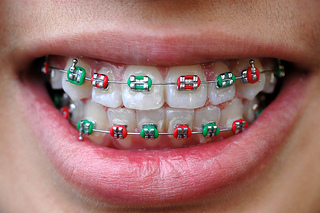
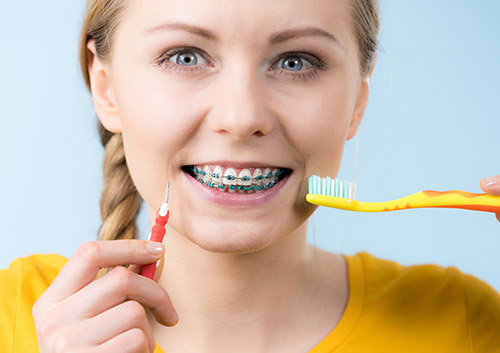
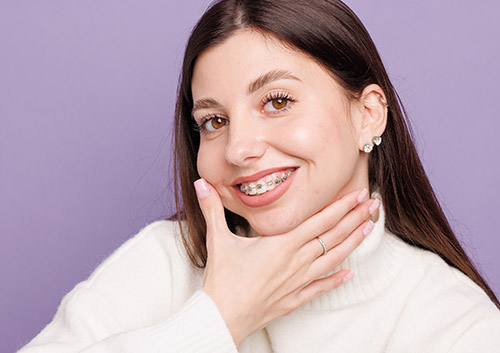
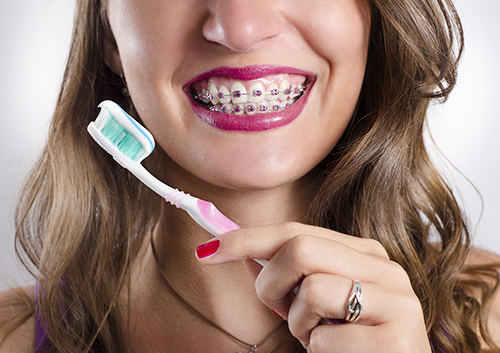
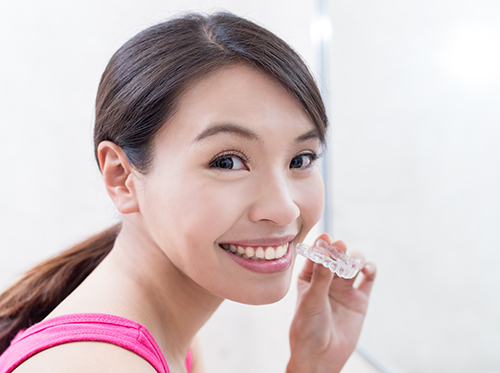
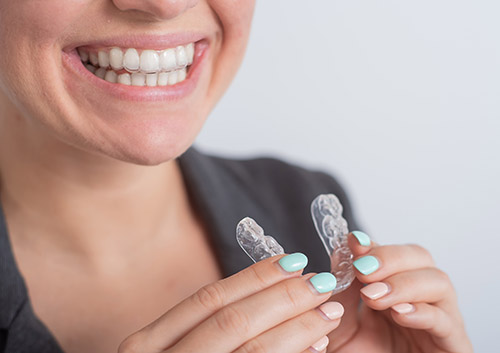
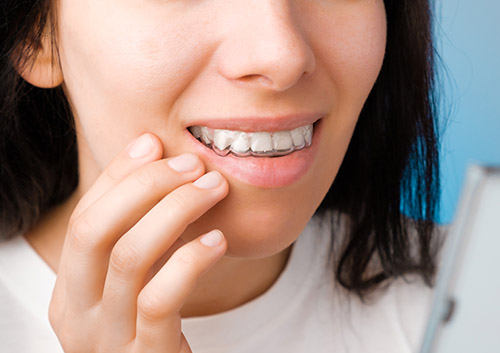
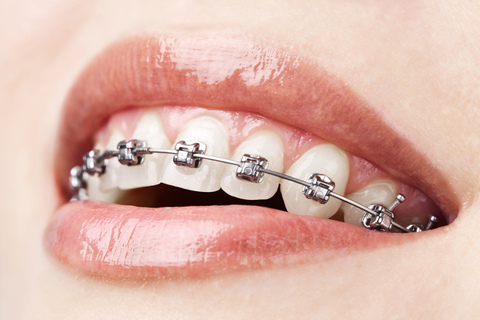
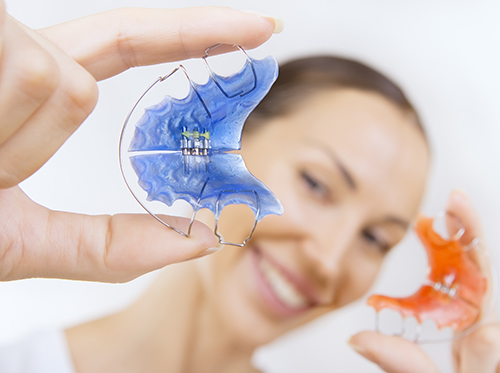
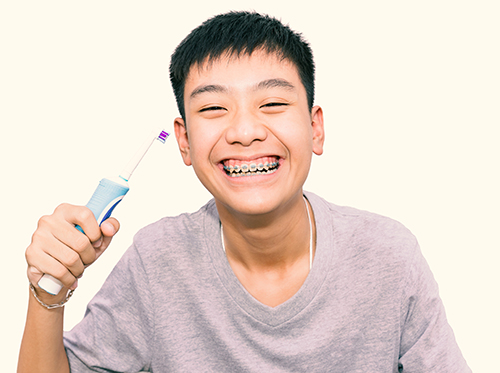
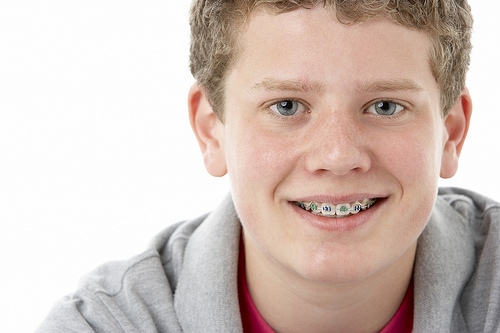
Today’s orthodontic treatment is more comfortable and effective than ever before. Women of all ages are benefitting from the latest treatment options, including smaller and lighter traditional braces, discreet aligners, and lingual braces attached to the back of the teeth. If you’ve always wanted straighter teeth, or if you have bite discomfort, or if your teeth have shifted with age, make an appointment with Orthodontic Associates, LTD. in Flossmoor and New Lenox, IL for an evaluation.
Missed the date this year? No worries! Women’s Health and Fitness Day is one day in September, but every day in the calendar is a good day to think about your oral health. Partner with your dentist, your doctor, and Dr. Pope to help make your healthy smile something to celebrate all year long!




























































































































































































































































































































































































































 Cold and flu season is here yet again. The folks at


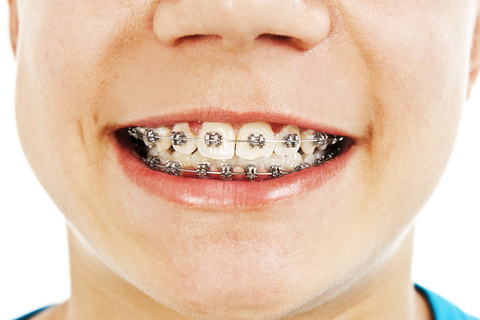
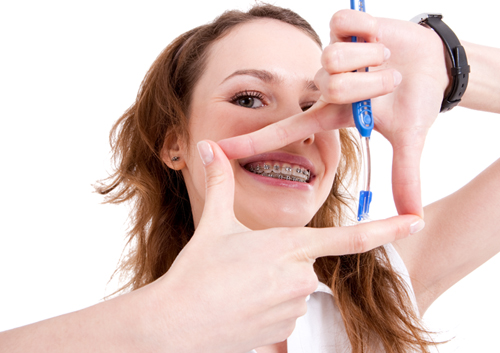
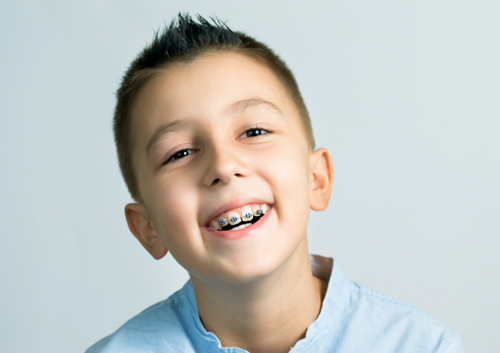
 The number one goal of orthodontic treatment is to give you or your child a good bite, meaning straight teeth that work well with the teeth in the opposite jaw. A good bite makes it easier for you to eat, chew, and speak. It can enhance your dental health and your overall health, and may well improve your self-esteem. As a part of your comprehensive dental health care plan, orthodontic treatment can help you retain you teeth—and your smile—for a lifetime.


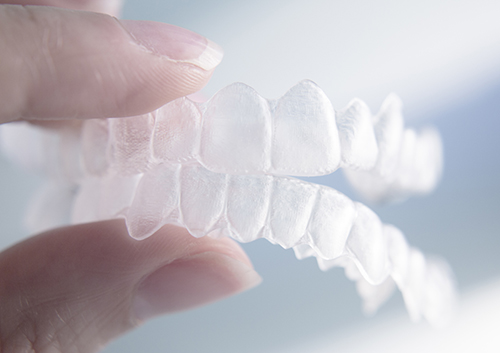
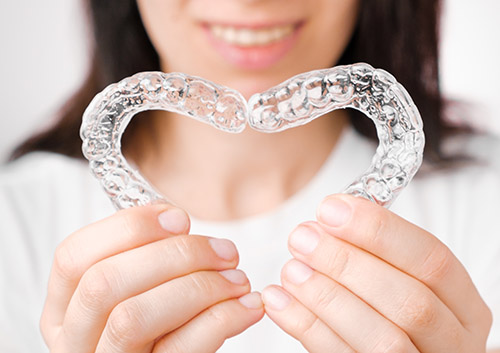
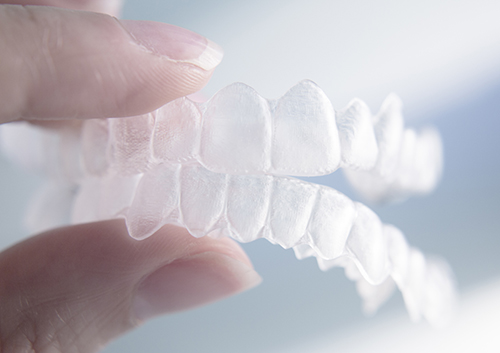
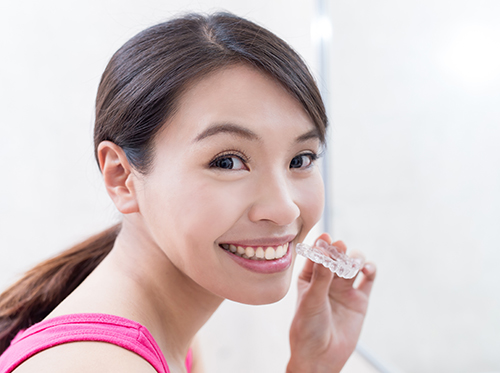
 Invisalign clear aligners can be a great option for improving the look of your smile.
  There are several reasons why some people's teeth grow in crooked, overlapping, or twisted. Some people's mouths are too small for their teeth, which crowds the teeth and causes them to shift. In other cases, a person's upper and lower jaws aren't the same size or are malformed. Most often, crooked teeth are inherited traits just as the color of your eyes or hair. Other causes of crooked teeth are early loss of baby or adult teeth, undue pressure on the teeth and gums, misalignment of jaw after facial injury, or common oral health problems in children such as thumb sucking, tongue thrusting, or prolonged use of a bottle or pacifier.

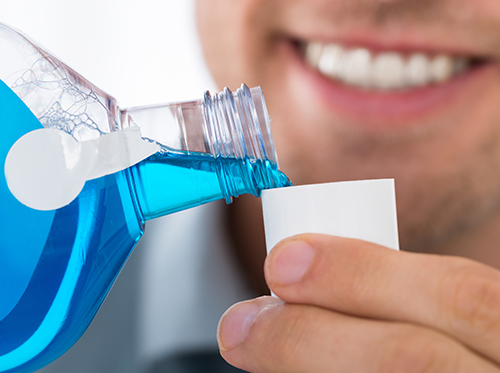
 While mouthwash is not an alternative to regular brushing and flossing, it can help keep your teeth and gums clean and healthy. There are several different types of mouthwashes available, and all of them will help do different things for your smile. The most common types of mouthwashes are:
 At
At  Drs.
Drs. 
 Even if you brush and floss daily, as well as maintain your braces and visit our office during your orthodontic treatment it is still important to visit your local dentist every 6 months, or as recommended.
 The year is almost over, so we wanted to ask what was memorable about 2011 for you, and what are you looking forward to in 2012? Do you have a new year's resolution, or any exciting plans for the coming year?
 In this season given to tidings of comfort and joy, and as our team at
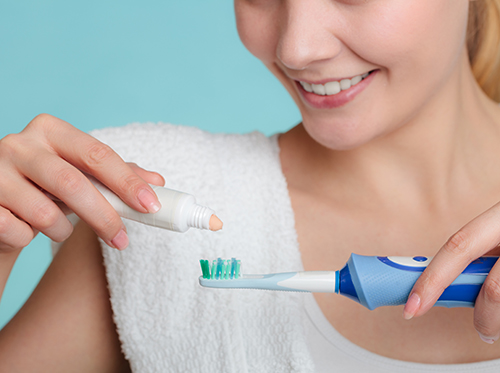
 href="http://www.oa-ltd.com">Orthodontic Associates. You brush your teeth twice a day, floss regularly and protect your mouth and appliances from being damaged. But did you know there is another, often forgotten about, way to keep your teeth clean and healthy during your treatment? Fluoride – a mineral that helps prevent cavities and tooth decay – can help keep your teeth strong! Fluoride comes in two varieties: topical and systemic. Topical fluoride is applied directly to the tooth. Topical fluoride includes toothpastes and mouth rinses. Systemic fluorides are swallowed in the form of a dietary supplement.
 Drs.
Drs. 
 Drs. Anthony Maoloni and Spencer Pope and our team at
  Cold and flu season is here yet again. The folks at Centers for Disease Control and Prevention say that a common cold usually includes sneezing, runny nose, sore throat and coughing.
  It’s that spooky time of year again and
  You just got braces at Orthodontic Associates and your doctor has informed you that during your orthodontic treatment you will want to avoid eating anything sticky, hard, crunchy, or chewy. What does this leave for you to eat? Lettuce? Nothing?
 Did you know that back in 2002, Tom Cruise had braces? During this time, he was 40 years old and filmed Minority Report, Austin Powers in Goldmember and the Last Samurai. Check out his smile in Jerry Maguire, Rain Man or The Firm and compare to the post-braces Tom Cruise in Valkyrie or Tropic Thunder. The fact is, movie stars need to look their best for the silver screen, and it wouldn't be possible without orthodontists like
  At
At  Happy October! For those who don't know, it's
  Are you wondering what Invisalign treatment is really like, and what effect it will have on your day-to-day activities? Will it slur your speech? Will people know you're in treatment? You're not alone in your concerns! Drs. Anthony Maoloni and Spencer Pope and our team thought we’d share this list of questions and answers for anyone pondering Invisalign treatment at
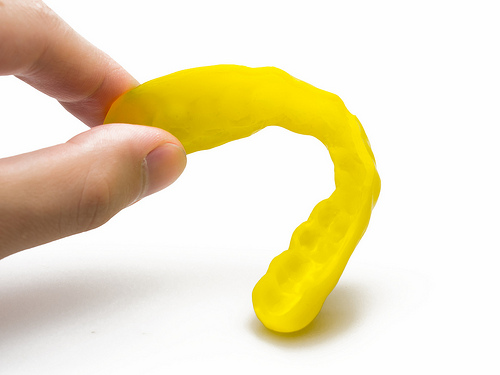
  Let’s face it: sports-related injuries are common among children, let alone teens with braces. In a recent survey, the American Association of Orthodontists, or AAO, discovered that 70 percent of parents said their biggest worry is that their child will get hurt while playing sports. But 67 percent admitted that their child doesn’t wear a mouth guard when participating in organized sports such as football, basketball, baseball and soccer. That’s why
 Did you know one in every five orthodontic patients is an adult? We’re living longer and technology is improving, making orthodontic treatment an appealing and safe option for patients of all ages. As the trend toward treatment later in life grows, we’re seeing braces on parents as well as children – and even adult celebrities such as Tom Cruise, Gwen Stefani and Nicholas Cage have shown off their braces. It’s never too late to look and feel your best with
  Many parents assume they must wait until their child has all of his or her permanent teeth to see Drs. Spencer Pope and Anthony Maoloni for a consultation, only to discover treatment would have been much easier if started earlier. Did you know the American Association of Orthodontists recommends that every child have an orthodontic check-up no later than age seven?
 There are so many ways you protect your teeth throughout your orthodontic treatment at
 When considering treatment options, patients often ask us how Invisalign treatment is so different than traditional braces. Well, there are more reasons to smile about Invisalign with
  Summer is here! Kids and adults alike will now be spending more time outside being active and enjoying the hotter temperatures. What’s better on a hot summer day than a delicious treat that will cool you down after doing something active in the summer sun? Luckily, our friends at the American Association of Orthodontists (AAO) have just the thing, Watermelon Sorbet! You can find the complete recipe below:
 With summer in full swing, all of us at
  There are a variety of foods Drs. Anthony Maoloni & Spencer Pope want you to avoid while you're wearing braces. Some foods can occasionally damage braces, but certain foods can bend the wires or even break the brackets on your braces. If you’re wearing braces, you should avoid starch, sugar and gummy foods, as these foods can be difficult to remove during brushing. Foods that are high in sugar and starch tend to cause plaque, cavities and even tooth decay.
 True orthodontic emergencies are very rare, but when they do occur we are available to you. As a general rule, you should call the office when you experience severe pain or when you have a painful appliance problem that you can't take care of yourself. We’ll be able to schedule an appointment with Drs. Maoloni & Pope.
 This coming Monday, July 4th, is Independence Day and the United States of America will be turning 235 years old! It’s a day to commemorate the signing of the Declaration of Independence and also a time for every American to pay homage to our soldiers, past and present, who have placed themselves in harm’s way so that we may continue to enjoy our freedom.
 If you recently completed treatment at
  According to the American Dental Association, a person's smile outranked eyes, hair and body as the most important physical feature, which is why it's important for our team at
  Summer is just around the corner, which for many people means vacations, baseball season, days spent at the beach, and fun in the sun! Now that you have braces, it’s important to take special precautions to prevent facial injuries and preserve your healthy smile for a lifetime. That’s why
  When our team at
  Some people wonder why
  Braces today are “cool” and—many would say—even “fun.” These were among the findings of a 2010 nationwide survey of moms whose children are going through or have had orthodontic treatment. New technologies such as
 Website Powered by Sesame 24-7™