Our Blog

How Often Should You Brush?

January 28th, 2021

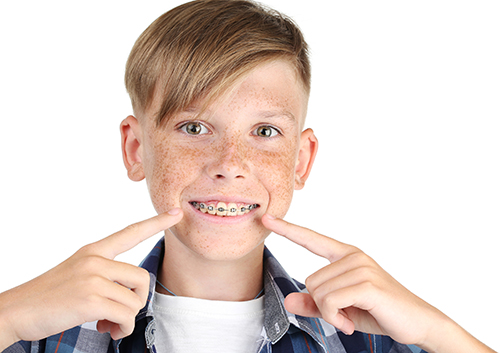
If you’ve been following your dentist’s advice, you know that you should be devoting two minutes twice a day to gentle, thorough brushing, and floss carefully at least once a day. It’s automatic. It’s habit. You’re in the zone. Now that you have braces or aligners, though, it’s time to step up your game!

Removing Food Particles

No one wants to worry about food particles stuck in braces right after lunch—or, worse, noticed hours after lunch! Because food tends to stick around brackets and wires, Dr. Pope and our Flossmoor and New Lenox, IL team recommend brushing after a meal. Not only will you be confident in your smile, you’ll be improving your dental health.

But why?

Better Plaque Removal

Plaque is a sticky film containing acid-producing bacteria. These acids lead to weakened enamel and, eventually, cavities. Careful brushing with a fluoride toothpaste helps eliminate plaque. But as you may have discovered, it can be more difficult to clean around brackets and wires. Brushing after eating will help keep plaque from forming on your enamel, and using the right tools (floss made for braces and interproximal brushes) will help clean plaque more effectively.

But what about aligners?

If you wear clear aligners, you take them out when you eat. This avoids the problem of food particles trapped in brackets and difficulty brushing around wires. But this doesn’t mean you are home free. Brushing after every meal is also a good idea when you wear aligners.

Our teeth have an organic way to help remove food particles, acids, and bacteria between brushings—saliva! Your aligners, while covering your teeth, decrease their exposure to saliva. It’s really important, then, to make sure you brush after eating. Otherwise, food particles and acids can remain on your teeth after you replace your aligners, increasing the risk of enamel erosion and decay.

Brushing helps keep your aligners clear as well. If you notice aligner discoloration, this could be the result of food residue such as tomato sauce or coffee that remained on the teeth after a meal. Anything that stains your enamel can stain your aligners. And don’t forget about plaque. Plaque can stick not only to your enamel but to your aligners as well. If you notice that your aligners are cloudy, or have an unpleasant odor, talk to us about the best way to keep them their cleanest.

Make a Plan

So, what can you do to make brushing more convenient during a busy day? Be prepared! Keep a small kit with you containing a travel brush, a small tube of toothpaste, floss, and an interproximal brush for quick cleanings when you’re out and about, and you’ll never have to worry about your smile.

Of course, there are occasions when it’s just not possible to brush. At times like this, whether you have traditional braces or aligners, it’s a good idea to rinse well with water after meals or snacks, and brush as soon as you can.

Start your new dental routine now, and soon it will be automatic. An everyday habit. Your new comfort zone. After all, taking a few extra minutes from your day to brush after every meal will be well worth it when you end your orthodontic treatment with a smile that is as healthy as it is beautiful!

Wearing Braces? Make Cavities a Remote Possibility

January 20th, 2021

Press Pause

If you are getting braces in the near future, it’s very important to see your regular dentist first. That way, any cavities or other dental problems can be treated before your first orthodontic appointment at our Flossmoor and New Lenox, IL office.

Play it Safe

Once you have your braces, you’ll hearing a lot about how you need to be especially careful with your dental hygiene. Why? Because wires and brackets are obstacles to getting your teeth and gum area their cleanest. Plaque and food particles tend to stick to braces, and all too often can be missed while brushing. Plaque builds up around your gum line and brackets, and, in a very short time, can lead to sensitivity, demineralization, and cavities.

What can you do to prevent tooth decay?

  • Increase Your Brushing Time

Instead of brushing twice a day, start brushing for two minutes after every meal. Put together a travel bag with a small toothbrush, toothpaste, floss, and interproximal brushes to clean your teeth when you’re on the go. If you absolutely can’t brush, rinse carefully with water, and then brush as soon as you can.

  • Flossing—More Important than Ever

Use the flossing tools designed just for braces to make sure you’ve removed food particles and plaque from around your braces and gums. A water flosser can be helpful if manual flossing isn’t effective.

  • Keep Up with Your Regular Dental Care

Schedule regular checkups and professional cleanings at your dentist’s office. They will be able to remove plaque you might miss at home.  

  • Follow Our Advice

We’ll give you instructions on how to brush and floss, what products to use, and diet suggestions (such as keeping sugary and sticky foods off the menu and away from your braces). If we notice plaque building up around your gums and brackets, we’ll let you know that you need to step up your hygiene habits. We can also suggest rinses and toothpastes that help fight plaque.

But if, despite all your efforts, you do get a cavity? There are options!

  • Ignoring Your Cavity?

Not an option. You shouldn’t wait until you are out of braces to get a cavity treated. This just gives decay a chance to spread further.

  • Working With Your Braces

Repairing a cavity means removing the decay in the tooth, cleaning the area, and then filling the tooth. If your cavity isn’t located near your bands, brackets, or wires, your dentist might be able to work around your braces, and you can get your cavity treated during a regular dental appointment.

  • Removing Parts of Your Braces for Treatment

Sometimes a cavity is located in a spot that your dentist can’t reach because of your braces. In that case, we’re able to coordinate with your dentist and remove a wire or bracket temporarily so you can have your tooth filled. Make an appointment to replace your bracket and re-attach your wire, and you’ll be back on schedule as soon as possible.

Fast Forward

Keep your eyes on your goal--you’re in braces because you want a beautiful smile. Keeping on top of your dental health is an essential part of creating that smile. Talk to Dr. Pope about tips for getting your teeth their cleanest. If you do develop a cavity, we’ll help you figure out the best way to treat it without causing too much delay in your orthodontic treatment. Taking care of your teeth now is the best way to create a future of beautiful smiles!

Five Clues That It’s Time to Replace Your Toothbrush

January 13th, 2021

Your dashboard lights up when your car needs an oil change. Your family smoke detector beeps when you need to switch out the batteries. But when it’s time to replace your toothbrush, you’re on your own. Luckily, there are several not-too-subtle clues that you should be shopping for a new model.

  • Fraying

Is your toothbrush looking a bit scruffy? Do those once orderly bristles look like they have the toothbrush equivalent of bed head? Have some bristles vanished altogether? Time to retire that toothbrush. Once the bristles are frayed, you just can’t reach plaque as effectively, especially where it likes to hide between the teeth.

Are you prematurely fraying? You could be brushing too hard. Overbrushing can injure delicate gum tissue, cause wear and tear to tooth enamel, and even damage your braces. If you find your brush fraying after only a few weeks of use, you might be using too much force. Remember, plaque is a sticky film, but it’s a soft sticky film. Ask us for advice on just how hard you need—or don’t need—to brush.

  • Odor

This one really goes without saying—no one wants an aromatic toothbrush! How to make sure your toothbrush is fresh and clean?

Always rinse carefully after you brush. This will get rid of any toothpaste, bits of food, or other particles left on your brush.

Let your toothbrush air dry. It might seem more hygienic to keep your brush covered in a bathroom setting, but a closed, moist container is a perfect breeding ground for germs. Don’t let them make a home in your bristles!

  • Illness

A cold or a bacterial infection (like strep throat) is no fun. But now that you’re feeling better, it might be time to throw out your toothbrush. The chances of re-infection are very low, unless your immune system is compromised, but this is a perfect opportunity to replace your brush with a fresh, germ-free model.

And if you share your toothbrush, or if you store it right next to a family member’s (which you really shouldn’t do, for this very reason), germs get shared, too. Quarantine your brush while you’re ill, and replace it once you’re out and about.

  • Discomfort

Bigger isn’t necessarily better. A brush with a head that’s too big won’t allow you to get into those small spaces in your mouth where plaque likes to collect. And when you are trying to clean around brackets and wires, a regular brush might be a problem. Ask Dr. Pope for suggestions for the best tools for clean and comfortable brushing.

Also, harder doesn’t mean more effective. A brush with hard bristles can cause damage to your gums and enamel. We almost always recommend soft-bristled brushes for this every reason.

There are so many styles of brush out there, you’re bound to find the perfect fit with a little trial and error. Or ask us for suggestions the next time you’re at our Flossmoor and New Lenox, IL office for an adjustment!

  • You’ve Passed the “Best By” Date

Because of its durable construction, your toothbrush can last a long, long time. But no matter how comfortable and effective your toothbrush is right now, it was never meant to go through life with you. Bristles break down over a period of a few months, and just don’t clean as effectively. Your brush should be changed every three months, and this includes changing the head on your electric toothbrush. And because you wear braces, you’re brushing more often, so that three month lifespan might be stretching it.

Unfortunately, you don’t have a flashing light or annoying beep to remind you when it’s time to change brushes, so you’ll have to devise your own reminders. Reminder apps, calendar notes, the first day of a new season—use whatever works best for you. 

Don’t ignore the clues your toothbrush is leaving you. Replacing your brush whenever it’s necessary helps guarantee that the time you spend cleaning your teeth and gums will lead to confident, healthy smiles. Case closed!

Let It Snow!

January 6th, 2021

The weather out there might be frightful for most of us, but not for you! You’ve been waiting all year for a fresh coat of powder and all the outdoor sporting activities winter brings. But before you grab those ski poles, strap into that snowboard, lace up those skates, or dust off that sled, be sure to remember one more essential piece of gear—your mouthguard!

Mouthguards aren’t just for contact sports. While all that lovely new snow looks like powder, it doesn’t feel like it when you land hard. If there’s a chance of a fall or an impact in any sport, there’s a chance you can suffer dental injuries.

Falls or collisions can result in chipped, broken, or dislodged teeth. Your mouthguard will help protect your smile from these accidents, and also works to protect you from biting your tongue and mouth in case of impact. It can even reduce the chance of jaw injuries.

Luckily, finding a mouthguard that works for you is even easier than finding the perfect board or the best wax for your skis. You have several options to choose from:

  • Ready-made appliances. These are available in drugstores and sporting goods stores, but come in pre-formed sizes, so they might not provide the best fit.
  • The “boil-and-bite” model. This mouthguard form is placed in hot water. You then bite down while it is pliable to shape it to your mouth and teeth.
  • Custom mouthguards. These guards can be fabricated just for you. They are molded to fit your individual mouth and teeth, so provide a better fit and better protection. They are also usually more durable and more comfortable. If you wear braces, a custom mouthguard can be your best option for preventing an injury to your mouth and your braces. Talk to Dr. Pope if you are interested in a guard fitted specifically for you.

When you visit our Flossmoor and New Lenox, IL office, let’s discuss all the best ways to keep your teeth and mouth protected before you set out for winter sports. And then when you’re ready to go? Let it snow!